


Walking into a casino can feel exciting. Bright lights glow across the room, slot machines make cheerful sounds, and people celebrate wins at nearby tables. The atmosphere is designed to create energy and anticipation.
But behind all that excitement is a simple reality.
Money can disappear quickly in a casino.
That is why experienced players often ask an important question before they arrive.
How much money should you bring to a casino?
The answer is not about being wealthy or having a large bankroll. It is about planning your entertainment budget so you can enjoy the experience without stress.
When players decide their limits in advance, they stay in control. They enjoy the games more and avoid emotional decisions.
Let us explore how smart players set their casino budget and how much money makes sense for a typical visit.
Start With a Clear Entertainment Budget
The first rule of casino budgeting is simple.
Only bring money you can afford to lose.
Casinos are entertainment venues. The money used for gambling should be the same type of money someone might spend on a movie night, a concert, or a dinner out.
It should never come from:
• rent money
• bill payments
• grocery budgets
• savings or emergency funds
Many financial advisors suggest treating casino money as entertainment spending, not investment money.
According to surveys from casino gaming reports, the average recreational casino visitor spends between $50 and $150 per visit. High spenders may bring more, but casual players often stay within this range.
A common strategy used by experienced players is to set a strict loss limit before entering the casino.
For example:
• A player might bring $100 for the night
• If the money is gone, the session ends
• No extra cash and no ATM withdrawals
This approach removes emotional decision making later in the evening.
Example Budget Plan
A player planning a 3 hour casino visit might bring:
| Budget Item | Amount |
|---|---|
| Gambling bankroll | $100 |
| Food or drinks | $30 |
| Emergency backup (not used for gambling) | $20 |
This structure keeps spending organized and controlled.
Casino chips represent real money once they are on the table. Having a clear spending plan before converting cash into chips helps players stay disciplined.
Match Your Budget To The Games You Play
Different casino games move at different speeds. Because of that, the amount of money you bring should match the type of games you plan to play.
Some games move extremely fast while others progress slowly.
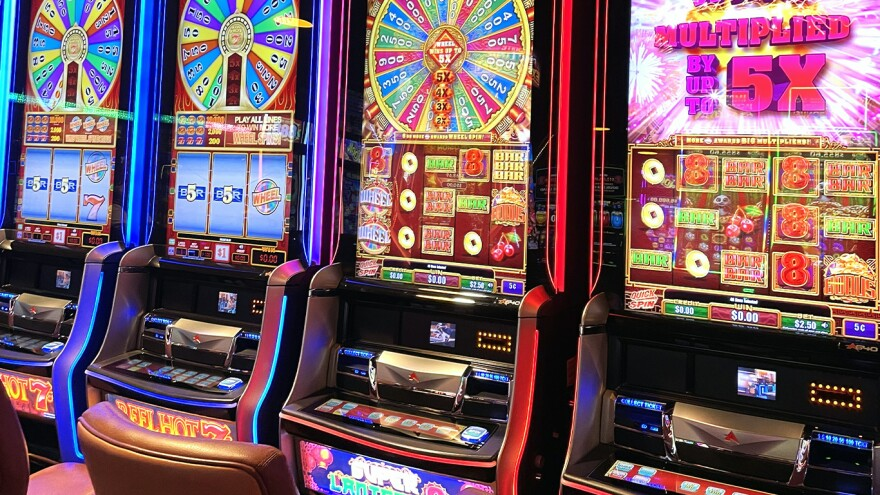
For example, slot machines can produce 500 to 800 spins per hour depending on how quickly the player presses the button. This means money can move through the machine quickly.
Blackjack tables usually deal 50 to 70 hands per hour, while roulette tables may spin 30 to 40 rounds per hour.
Because of this difference, a player’s bankroll lasts longer at slower games.
Example Comparison
| Game Type | Average Rounds Per Hour | Budget Impact |
|---|---|---|
| Slot Machines | 500 to 800 spins | Money moves quickly |
| Blackjack | 50 to 70 hands | Slower spending |
| Roulette | 30 to 40 spins | Moderate pace |
A player bringing $100 may play for hours at a low stakes blackjack table, while the same amount might disappear much faster on high speed slot machines.
This is why experienced players choose games that match both their budget and playing style.
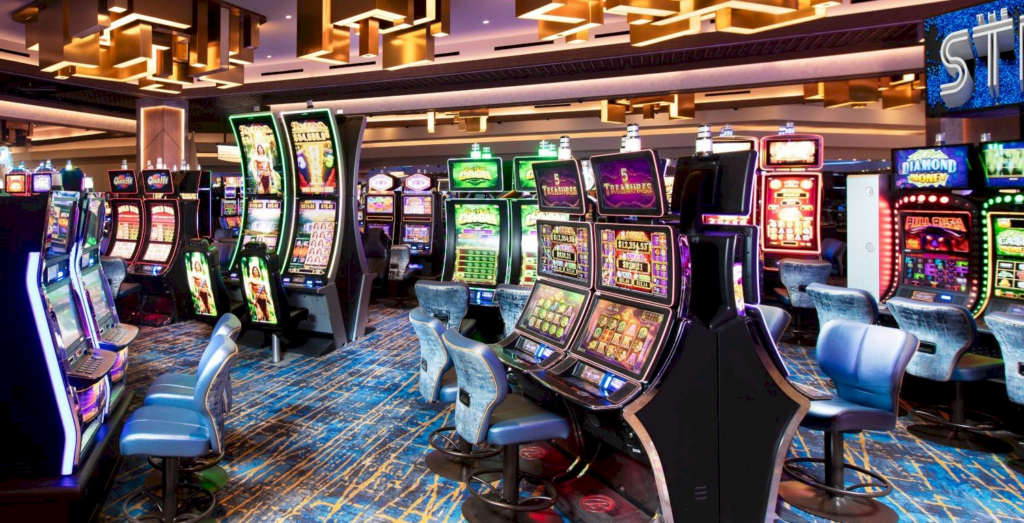
Casino floors are designed with hundreds of machines and tables. Each game offers different bet sizes and speeds, which directly affects how long a bankroll lasts.
Use Simple Bankroll Strategies
Professional gamblers and experienced casino visitors often follow simple bankroll management strategies.
One of the most common rules is the session bankroll method.
Players divide their budget into smaller parts to control spending.
Example Strategy
If a player brings $120, they might divide it into four $30 sessions.
If one session is lost, they take a break before starting the next one.
Another common method is the bet size rule.
Many experts suggest that a single bet should be no more than 1 to 5 percent of your total bankroll.
Example:
| Total Bankroll | Recommended Bet Size |
|---|---|
| $100 | $1 to $5 per bet |
| $200 | $2 to $10 per bet |
| $500 | $5 to $25 per bet |
This approach helps extend playing time and prevents a bankroll from disappearing too quickly.
What Real Players Say About Casino Budgets
Real casino players often share useful advice based on their own experiences.
One recreational gambler explained their strategy in a casino forum:
“I bring exactly $100 in cash and leave my debit card at home. When the cash is gone, my night is finished.”
Another player described a different approach:
“If I double my money, I cash out half immediately. That way I know I am leaving with something no matter what happens next.”
These strategies highlight an important idea.
Planning ahead protects players from emotional decisions later.
The Psychology Of Casino Spending
Casinos are carefully designed environments. The sounds, lights, and excitement encourage people to stay longer and keep playing.
Research in behavioral economics shows that people are more likely to spend money when they feel emotionally stimulated.
Casino chips also create psychological distance from cash. Once money becomes chips, it can feel less real.
That is why many experienced players prefer bringing cash only rather than cards.
Seeing physical money leave the wallet helps maintain awareness of the budget.

Casino chips and roulette tables create a thrilling environment, but every chip still represents real money from the player’s budget.
Smart Tips For First Time Casino Visitors
Players who are new to casinos often benefit from a few simple guidelines.
• Decide your total budget before leaving home
• Bring cash instead of relying on ATMs
• Choose low stakes tables when learning games
• Take breaks between sessions
• Set both a loss limit and a win goal
Many experienced players follow a simple rule.
If the money doubles, celebrate and walk away.
This keeps the experience positive and prevents a lucky night from turning into a losing one.
Final Thoughts
There is no universal number that works for everyone when deciding how much money to bring to a casino.
The right amount depends on:
• your entertainment budget
• the games you plan to play
• how long you want to stay
For many casual players, a budget between $50 and $150 is common for an evening of entertainment.
The most important thing is arriving with a clear plan.
Casinos are meant to provide excitement and fun. When players bring a sensible budget, choose games wisely, and know when to walk away, the entire experience becomes far more enjoyable.
If you can leave the casino smiling and relaxed at the end of the night, then you brought exactly the right amount of money.