

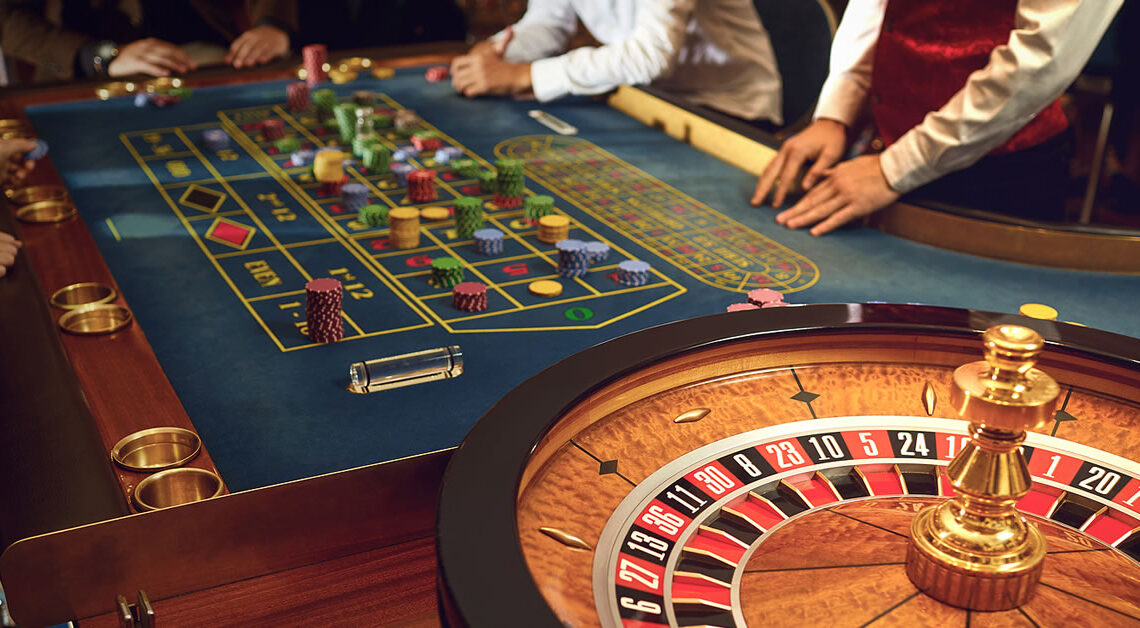
Many people walk into a casino with a simple thought in mind. They want to relax, enjoy the atmosphere, and maybe walk away with some extra money.
The lights are bright. Machines flash with color. People celebrate wins. The entire environment feels exciting and full of possibility.
In a way, that excitement is part of the entertainment.
But gambling is not just excitement. Behind the flashing lights and spinning reels, casino games follow strict mathematical rules. Players who enter without a plan often discover that the experience slowly begins to control their decisions.
It may not happen immediately. In fact, the beginning can feel amazing. Some players even win early, which makes them believe luck will stay with them for the rest of the night.
But over time, playing without a plan often leads to frustration, emotional decisions, and larger losses than expected.
That is why experienced players almost always talk about one important idea before they sit down to play.
Have a plan before the first bet is placed.
Understanding why this matters can completely change how a person experiences gambling.
The Excitement Trap That Affects Most Players
Walking into a casino can feel overwhelming in the best possible way. Everything is designed to capture attention.
Slot machines flash constantly. Cards shuffle smoothly at tables. People cheer when jackpots hit. Music and sounds create an energetic environment.
For many first time players, this excitement becomes the first problem.
Instead of thinking calmly about limits or budgets, players jump straight into the action. They sit down at a machine or table and begin betting without thinking about how much they plan to spend.
At first, it feels harmless.
A small bet turns into another. Then another.
If a few wins appear early, confidence grows quickly. The player may begin increasing their bet size because they feel lucky.
But research into gambling behavior has shown something interesting. Studies in casino psychology suggest that players who win early often increase their bet size by 40 to 60 percent during the same session.
That early excitement creates a feeling of momentum, even though the game itself is completely random.
Without a plan, that momentum can push players far beyond the limits they originally intended.
Imagine starting a road trip without knowing where you want to go. The drive might feel fun at first. But eventually confusion appears because there is no destination guiding the journey.
Gambling without a plan works in a very similar way.
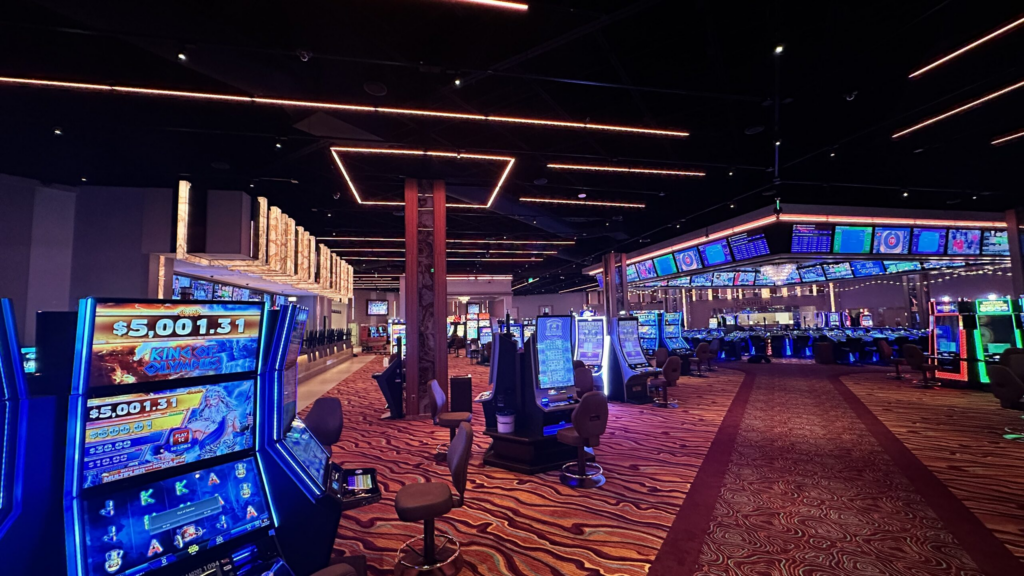
Casinos are carefully designed environments filled with sound, lights, and movement. These elements increase excitement and encourage longer play sessions.
According to gaming industry reports, the average casino visitor spends 2 to 3 hours on the gaming floor, often longer than they originally planned.
Loss Chasing Is One Of The Most Common Mistakes
Every gambling game involves losing moments. Even skilled players experience them.
The difference between experienced players and unprepared players often appears when losses begin.
Players who enter with a plan usually set limits before the game begins. They might decide to stop after losing a certain amount of money or after playing for a specific amount of time.
Without that structure, the brain reacts differently.
A player who loses money often feels a strong urge to recover those losses. This behavior is known as loss chasing, and it is extremely common in gambling.
Psychology studies on gambling behavior show that more than 70 percent of casual gamblers admit they have tried to win back losses by continuing to play longer than planned.
At first the decision seems logical.
The player tells themselves that one good win could recover everything. But probability does not follow personal wishes.
A famous quote often shared among professional gamblers explains this perfectly.
“Gambling is not dangerous because of the games. It is dangerous because people believe the next round will fix the last one.”
When losses are chased, bets often become larger and more emotional. Instead of playing for entertainment, the player begins playing with pressure and frustration.
This is the moment when gambling stops being fun.
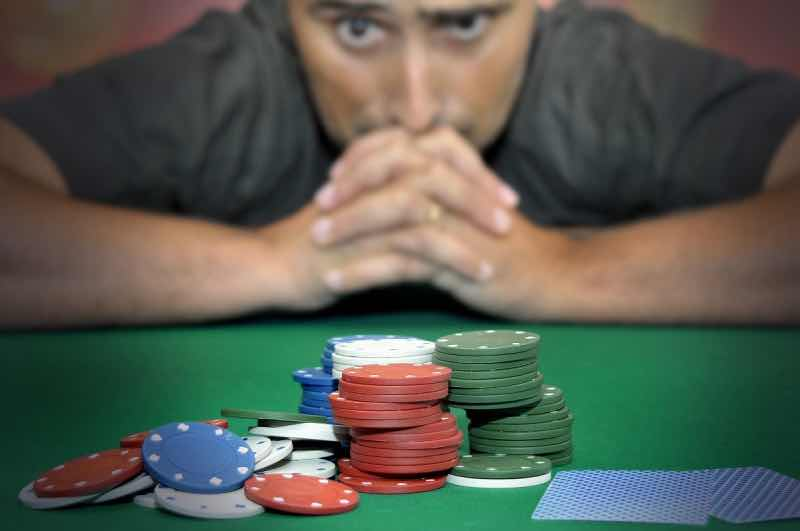
This type of random pattern shows how gambling results naturally move up and down. When players chase losses during the downward moments, the swings often become larger and more stressful.
Real Player Experiences
Many players who reflect on their gambling habits share very similar stories.
One casino forum user described their experience like this:
“I went in planning to spend about fifty dollars. After losing it, I kept telling myself one more round would bring it back. Three hours later I had lost five times that amount.”
Another player shared a different lesson:
“The nights I enjoy gambling the most are the nights I decide my budget before I sit down. When the limit is reached, I simply walk away.”
These comments highlight a simple truth. The outcome of a gambling session is unpredictable, but how a player manages the experience can make a huge difference.
Planning Protects Money And Peace Of Mind
The most successful casual gamblers treat casino games the same way they treat other forms of entertainment.
They decide what they are comfortable spending before they begin.
Industry surveys show that players who set a gambling budget beforehand are about 30 percent less likely to exceed their planned spending during a session.
A basic gambling plan often includes three simple decisions:
- A spending limit
The total amount of money the player is willing to lose during the session. - A time limit
Deciding how long the session will last helps prevent emotional decision making. - Game selection
Choosing games in advance prevents jumping randomly between machines or tables.
These small choices create structure and remove much of the emotional pressure from gambling.
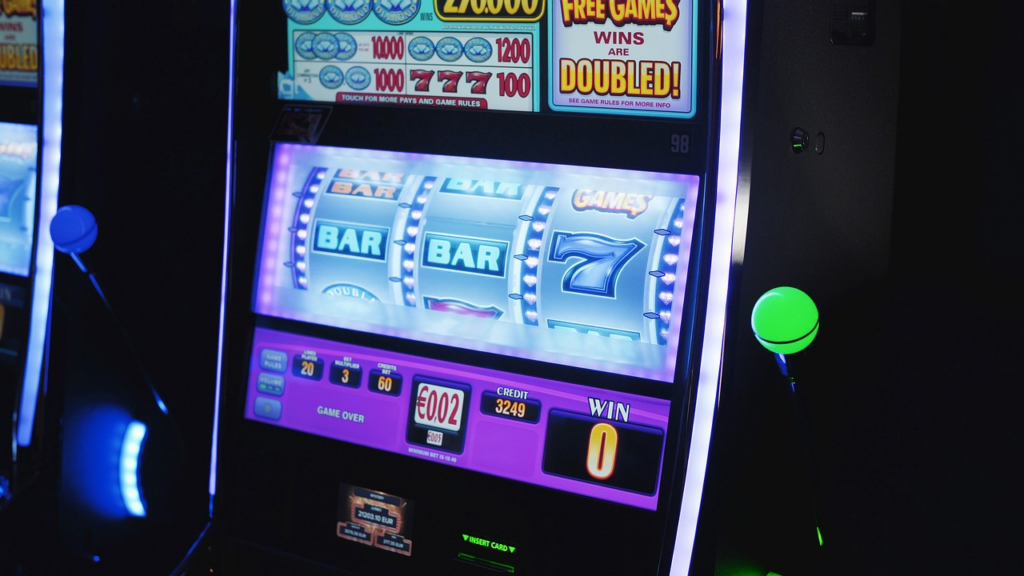
Slot machines are designed to create continuous play. Without personal limits, it becomes easy for players to continue spinning longer than they originally planned.
Why Experienced Players Always Plan Ahead
Professional gamblers and experienced casino visitors often repeat the same advice.
A simple plan does not guarantee a win. Gambling outcomes will always be uncertain.
What a plan does guarantee is control.
It allows the player to decide the boundaries of their experience instead of letting the environment or emotions decide for them.
One well known gambling author once summarized this idea with a simple observation.
“Luck decides the outcome of a single game. Discipline decides the outcome of a lifetime.”
That discipline usually begins with planning.
When someone enters a casino with clear limits and expectations, they carry a quiet advantage with them. They understand that gambling is meant to be entertainment, not a financial strategy.
The lights will still flash. The reels will still spin. Wins will still feel exciting.
But when the plan is followed, the experience remains balanced and enjoyable.
Without that plan, excitement can easily turn into regret.
And that is why playing without a plan almost always ends badly.