

Many conversations about gambling focus on winning strategies, lucky streaks, or jackpot stories. Players often discuss which games pay more or which bets feel smarter. But one of the most important questions rarely receives the same attention.
When is the right time to stop playing?
It sounds simple, yet inside a casino or while playing online, it becomes surprisingly difficult to answer. The environment is designed to keep players engaged. Bright lights, energetic sounds, and moments of excitement make time pass quickly.
A person may sit down planning to play for a short while, and suddenly hours have gone by.
Learning when to stop is not just about money. It is about protecting your mood, your focus, and your overall enjoyment of the experience. Many experienced players believe that knowing when to leave the game is just as important as knowing how to play it.
You can think of it like advice from a wise grandparent who gently says, “Enjoy yourself, but remember when it is time to head home.”
Understanding that moment can make gambling remain fun instead of stressful.
Why Knowing When To Stop Matters
Research on gambling behavior shows that players often stay longer than they originally planned. According to studies on recreational gambling habits, many players continue playing even after reaching the limits they intended to follow.
Psychologists sometimes call this the “chasing effect.” When players lose money, they feel the urge to continue playing to win it back. When players win money, they may feel lucky and keep playing to increase the winnings.
Both emotions can push people to stay longer than they should.
Statistics from gambling research groups suggest that a large percentage of casual players end up spending 30 to 50 percent more time or money than they initially planned during a session. This usually happens because decisions made during gameplay are influenced by emotion rather than clear thinking.
Learning when to stop helps maintain control.
Instead of gambling becoming an emotional roller coaster, it remains a controlled form of entertainment.
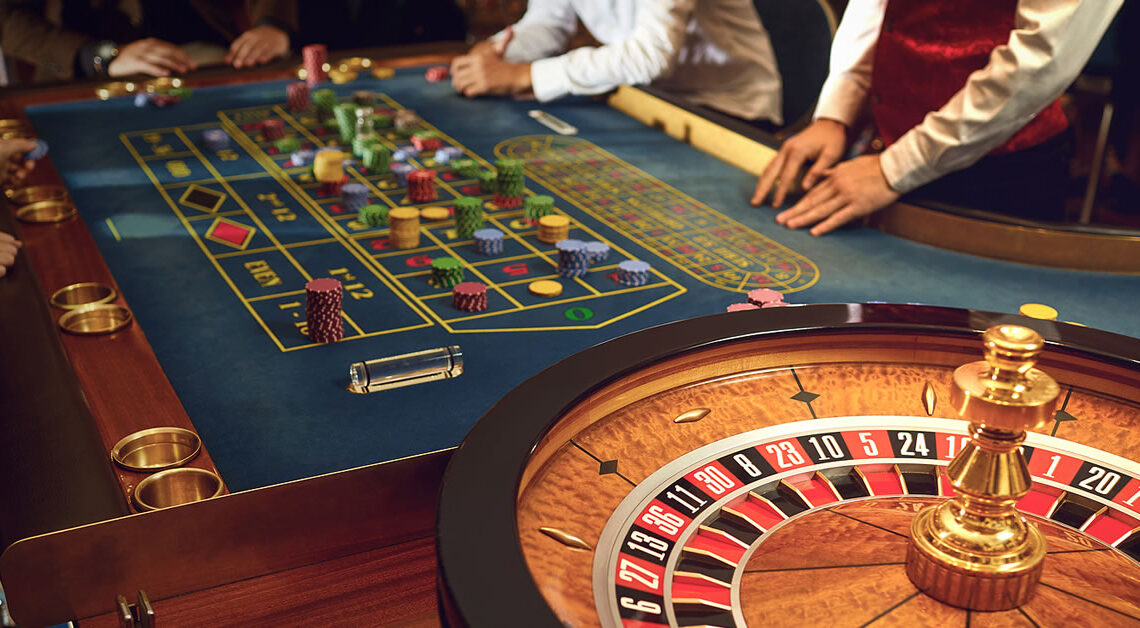
Image: Casino Environment Designed For Engagement
Casinos are designed to keep players focused on the game. Lights, sounds, and constant activity make it easy to lose track of time.
Listening To The Quiet Signals
Many experienced players say the first sign that it is time to stop is not financial. It is emotional.
At the beginning of a session, the player usually feels relaxed and curious. The bets feel playful. The results feel interesting rather than stressful.
But after some time, the feeling may begin to change.
Some common signals include:
- Feeling tired or mentally drained
- Feeling frustrated after several losses
- Feeling tense instead of relaxed
- Feeling pressure to recover lost money
These small signals are often the mind’s way of suggesting a break.
One casino forum user once described their experience like this:
“The moment I notice I am not enjoying the game anymore, that is my signal to leave. The games are supposed to be entertainment, not a source of stress.”
Another player shared a similar thought:
“When I start checking my balance every minute, I know it is time to stop.”
These simple observations show how emotions often guide the healthiest decisions.
Setting Limits Before You Start
One of the most recommended strategies among experienced gamblers is setting clear limits before the session begins.
Making decisions early helps avoid emotional choices later.
Players often set three types of limits:
1. Budget Limit
This is the amount of money a player is comfortable losing for entertainment.
For example, someone might decide that $100 is their budget for the evening. If that amount is lost, the session ends.
2. Time Limit
Many players decide how long they will play before they even sit down.
This might be one hour, two hours, or a certain number of spins or hands.
3. Win Limit
Some experienced players also set a winning target.
For example, if a player doubles their starting bankroll, they stop playing and keep the profit.
This prevents the common situation where winnings slowly disappear back into the game.
A long time poker player once explained this idea simply:
“A win only counts if you leave the table with it.”
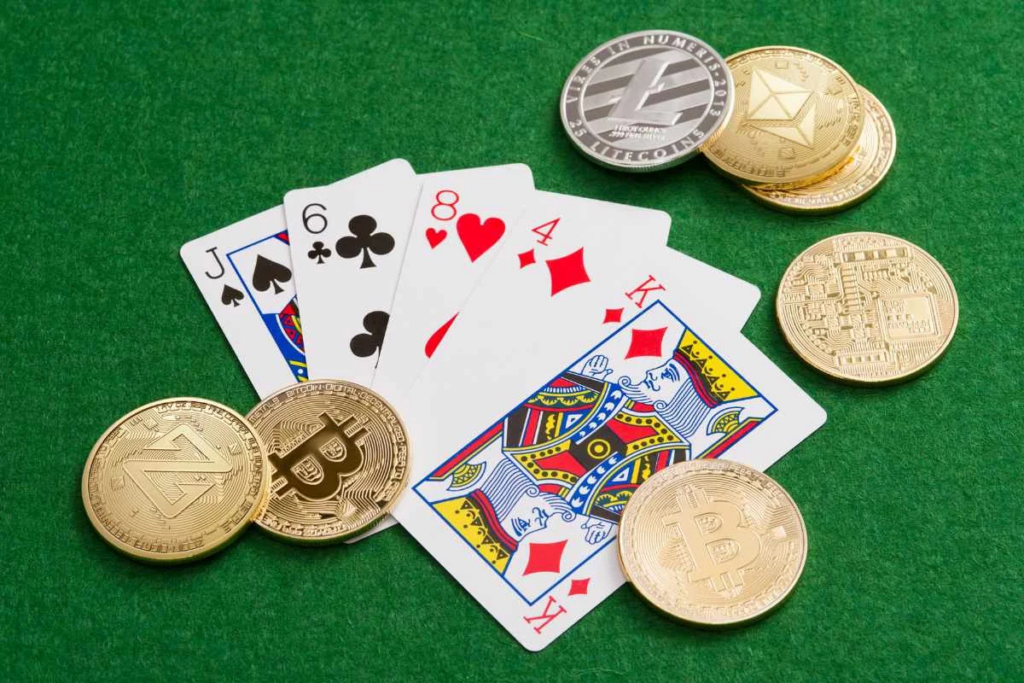
Planning a gambling budget in advance helps players avoid emotional decisions during gameplay.
Understanding The Risk Of Chasing Losses
One of the biggest reasons players struggle to stop is the desire to recover losses.
This behavior is known as chasing losses, and it is extremely common in gambling environments.
Imagine a player who loses $50 early in the session. Instead of stopping, they may continue playing with the hope that the next round will bring the money back.
Sometimes it works, but often it leads to deeper losses.
Behavioral studies show that chasing losses can increase gambling spending significantly. In many cases, players who chase losses spend two to three times more than their original plan during a session.
A professional gambling analyst once described the situation clearly:
“The biggest losses rarely come from the first bet. They usually come from the bets placed while trying to recover the first loss.”
Recognizing this pattern can help players step away before frustration takes over.
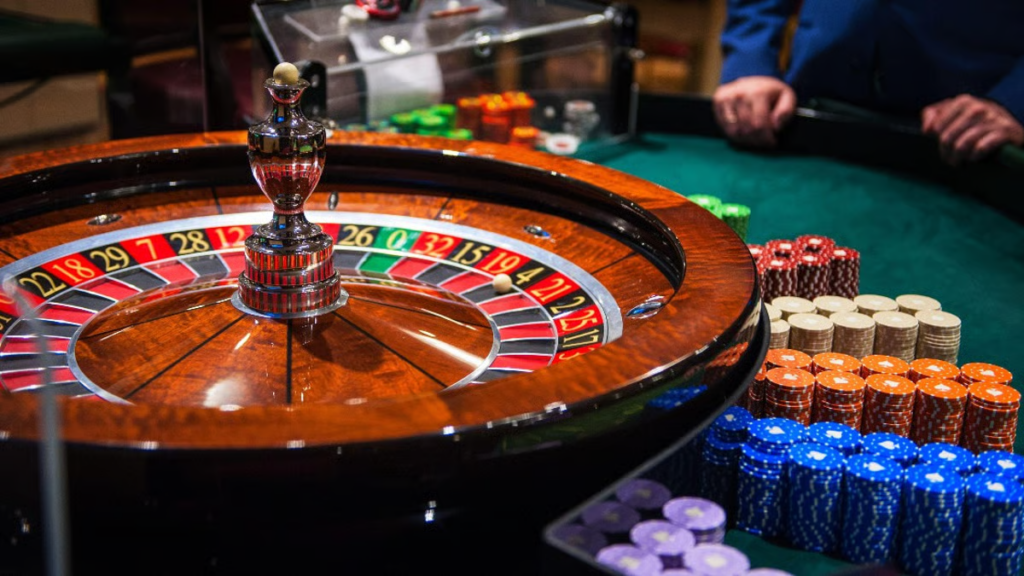
Games like roulette and slots create emotional highs and lows that can influence decision making during a session.
Winning Is Also A Moment To Stop
Interestingly, some of the best moments to stop playing happen after a win.
Winning creates excitement and confidence. Many players believe that a lucky streak will continue.
However, gambling results are independent events. A win does not increase the chances of the next win.
Many experienced players follow a simple philosophy.
When the night feels successful, they leave the game with that positive feeling intact.
One longtime casino visitor shared a simple rule:
“If I walk in with $100 and leave with $200, I call it a great evening and go home.”
Leaving after a win allows players to enjoy the success instead of risking it.
Gambling As Entertainment, Not Income
The healthiest way to view gambling is as entertainment rather than a reliable source of income.
Casinos design games with built in mathematical advantages. Over very long periods of time, the house edge ensures the casino remains profitable.
Because of this structure, most experienced players treat gambling the same way they treat other leisure activities.
It is similar to going to a concert, a sports game, or a theme park. The goal is enjoyment rather than financial gain.
When gambling is viewed this way, it becomes easier to decide when to stop.
The moment the entertainment ends, the session ends as well.
The Simple Rule Many Players Follow
Across gambling communities, many experienced players follow a simple guideline.
They stop playing when one of these three things happens:
- Their planned budget has been reached
- Their time limit has ended
- The game stops feeling enjoyable
Following these rules helps keep gambling balanced and stress free.
The Real Win Is Walking Away Calmly
Stopping a gambling session does not mean losing. In many cases, it shows discipline and self control.
Walking away with peace of mind is often more valuable than chasing one more spin or one more hand.
The games will always be there tomorrow. There will always be another table, another card, or another spin waiting.
But your time, your energy, and your financial comfort are more important than any single game.
Sometimes the smartest decision a player can make is simply standing up, taking a breath, and leaving the game with a calm mind.
And in many cases, that quiet moment of self control becomes the most satisfying win of all.