


Walk into a casino and you may notice something interesting very quickly. Two players arrive with the same amount of money. One of them is still playing hours later, calmly enjoying the game. The other player runs out of money much sooner.
Both players entered the same building. Both played games of chance. Yet their bankroll disappeared at completely different speeds.
This raises a very common question among gamblers.
Why do some casino games seem to drain money much faster than others?
The answer is not just luck. Several factors work together behind the scenes. The mathematics of the game, the speed of each round, the size of bets, and even the design of the game itself all influence how quickly money leaves a player’s balance.
Understanding these elements can help explain why some games stretch a bankroll while others can empty it surprisingly fast.
The Hidden Math Behind Every Casino Game
Every casino game operates on a concept known as the house edge. This number represents the statistical advantage that the casino has over players.
For example:
| Game | Typical House Edge |
|---|---|
| Blackjack (basic strategy) | around 0.5% |
| Baccarat banker bet | about 1.06% |
| Roulette (European) | about 2.7% |
| Slot machines | often 4% to 10% |
This means that over a very long time, the casino expects to keep that percentage of all money wagered.
At first glance, the differences may not look dramatic. But the speed of the game changes how quickly that edge takes effect.
Speed of Play Changes Everything
One of the biggest reasons some games drain money faster is simply the number of bets that occur in an hour.
Consider the difference between a slot machine and a table game.
A slot machine can complete a spin in only a few seconds. A player might easily spin 500 to 700 times in one hour.
A blackjack table, on the other hand, moves much slower. When several players are sitting at the table, the game might complete only 60 to 80 hands per hour.
This difference multiplies the house edge.
Example Calculation
Imagine a player betting $1 each round.
Slot machine
600 spins per hour
House edge 5%
Expected loss per hour
$30
Blackjack table
70 hands per hour
House edge 0.5%
Expected loss per hour
about $0.35
Even though both games involve luck, the speed of the slot machine allows the house edge to work much more quickly.
Image: Slot Machines in a Casino Environment
Modern slot machines are designed for rapid play, allowing hundreds of spins within a short period of time.
The Role of Bet Size
Another factor that affects how quickly money disappears is the average bet size.
Some games encourage players to wager larger amounts.
For example:
- Progressive jackpot slots may tempt players to increase their bet size to qualify for jackpots.
- Side bets in table games often carry very high house edges.
- Fast digital games make increasing the wager as easy as pressing a button.
When larger bets occur frequently, money can vanish far more quickly than players expect.
A study of casino gambling behavior found that players using fast electronic machines tend to increase their bets more often compared to players at traditional table games.
Variance and Big Payout Structures
Some games are built around high variance, meaning they rarely pay but offer the possibility of large rewards.
High volatility games often create long stretches without wins.
During these dry spells, players continue betting, which gradually drains the bankroll.
For example, many modern video slots are programmed so that:
- Small wins occur occasionally
- Bonus rounds appear infrequently
- Large jackpots happen very rarely
Because of this design, players may spend a long time chasing the next big payout.
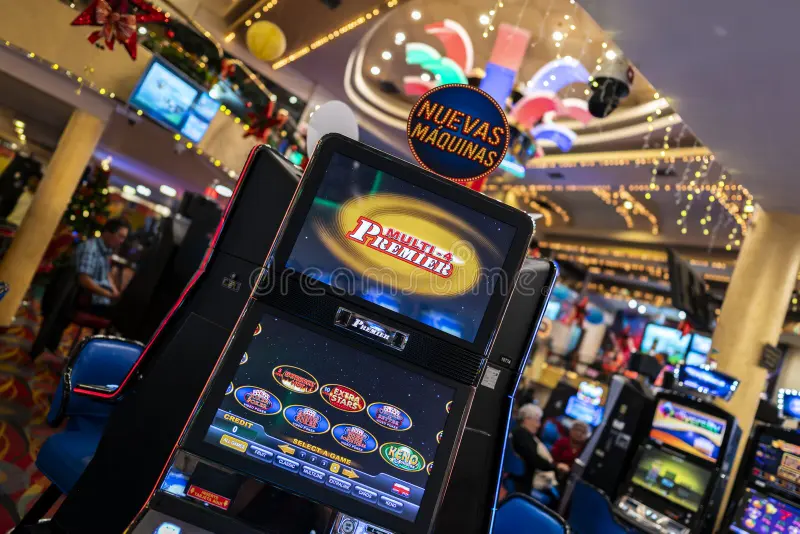
Slot machines combine visual effects, animations, and bonus features to keep players engaged while gameplay continues rapidly.
Game Design and Player Psychology
Casino games are not designed only with mathematics. They are also carefully designed to influence player behavior.
Slot machines in particular use several techniques to keep players engaged:
- Bright colors and flashing lights
- Celebratory sounds for small wins
- Near miss outcomes that almost trigger jackpots
- Automatic spin options that speed up play
These elements create a powerful psychological effect.
Even small wins can feel exciting because the machine celebrates them with lights and sounds.
A gambling behavior researcher once summarized this effect in a famous observation:
“Slot machines create the illusion of constant reward even when players are losing money overall.”
This emotional stimulation encourages players to keep spinning longer than they initially planned.
Real Player Experiences
Many gamblers notice the difference between fast and slow games after spending time in a casino.
One experienced player wrote on a gambling forum:
“When I play blackjack at a table, my money lasts all night. When I sit at a slot machine, I can burn through the same bankroll in thirty minutes.”
Another player described the speed difference clearly:
“Slots move so fast that you don’t realize how many bets you’ve made until your balance is gone.”
These stories reflect what many casino visitors eventually learn through experience.

Table games usually move slower because the dealer controls the pace and players take turns making decisions.
Statistics from the Gambling Industry
Research into casino gameplay shows that speed strongly affects spending behavior.
Some commonly cited industry observations include:
- Slot machines can produce over 600 bets per hour.
- Table games usually generate 50 to 100 rounds per hour.
- Electronic roulette and digital games often sit somewhere in between.
Because of this, slot machines generate a large portion of casino revenue worldwide.
In many casinos, slots account for more than 60 percent of total gaming revenue.
This does not necessarily mean they are unfair. It simply means they process far more bets in a short period of time.
Why Awareness Matters for Players
Understanding these mechanics can change the way players approach casino games.
Experienced gamblers often follow simple habits such as:
- Choosing games with slower pacing
- Setting a clear budget before playing
- Avoiding rapid automatic betting features
- Taking breaks between sessions
These small decisions can extend playtime and help prevent a bankroll from disappearing too quickly.
The Bigger Picture
At their core, casino games are built around chance and entertainment. But the structure of the game shapes how long a player’s money stays in play.
Fast games create many betting opportunities in a short time. Slow games create pauses that give players time to think.
Neither style is inherently better. Some people enjoy the excitement of rapid spins, while others prefer the strategy and conversation around table games.
What truly makes the difference is understanding how the pace of a game quietly influences the speed at which money moves.
Once players recognize that hidden rhythm, they begin to see the casino floor in a completely different way.