

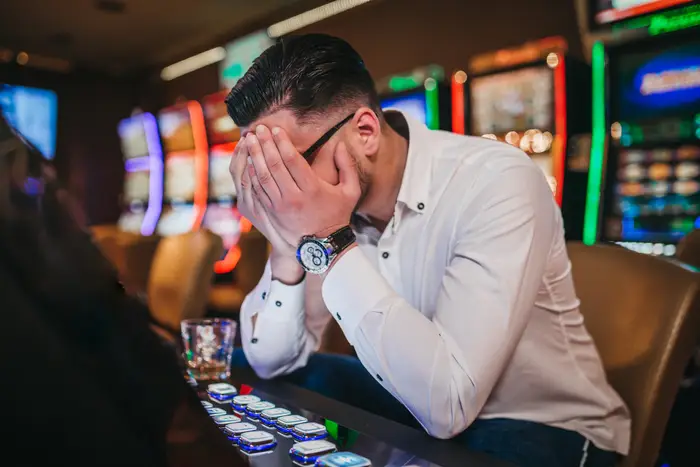
Many people walk into a casino with a simple plan. They want to enjoy a few games, feel some excitement, and maybe win a little money. At the beginning the mood is light. Players laugh with friends, try different games, and enjoy the atmosphere.
But sometimes the evening does not go the way they expected.
A few rounds are lost. Then another loss comes. The money that once felt comfortable in their pocket begins to shrink. At that moment a powerful thought often appears in the mind.
“I just need one good win to fix this.”
This is the moment when many players begin chasing their losses. It feels logical. If money was lost, winning it back seems like the natural solution.
Unfortunately, this decision often makes the situation worse.
Chasing losses is one of the most common mistakes in gambling. It combines emotional pressure, mathematical misunderstanding, and risky decision making. When these factors come together, players often lose far more than they originally planned.
Understanding why this happens can help players recognize the trap before they fall deeper into it.
The Emotional Trap That Pulls Players In
Losing money does not only affect a wallet. It affects emotions.
Studies in behavioral psychology show that financial losses activate the same stress responses in the brain as physical pain. This reaction can trigger frustration, anxiety, and urgency.
When a player begins losing, their thinking often shifts from entertainment to recovery.
Instead of asking “Am I having fun?” the mind asks a different question.
“How can I win it back?”
This shift creates emotional pressure.
Players might start placing bigger bets. They might play faster. Some even ignore the limits they set earlier in the evening. The brain begins producing hopeful thoughts that sound convincing in the moment.
“It only takes one win.”
“My luck has to turn soon.”
“I cannot leave now after losing this much.”
Psychologists call this behavior loss chasing, and it is strongly connected to emotional decision making.
A study from gambling research groups has found that over 80 percent of regular gamblers admit they have chased losses at least once. Many of them reported losing more money after doing so.
The problem is not simply the loss itself. The problem is the emotional pressure that follows it.
Once emotions take control, rational thinking becomes weaker.
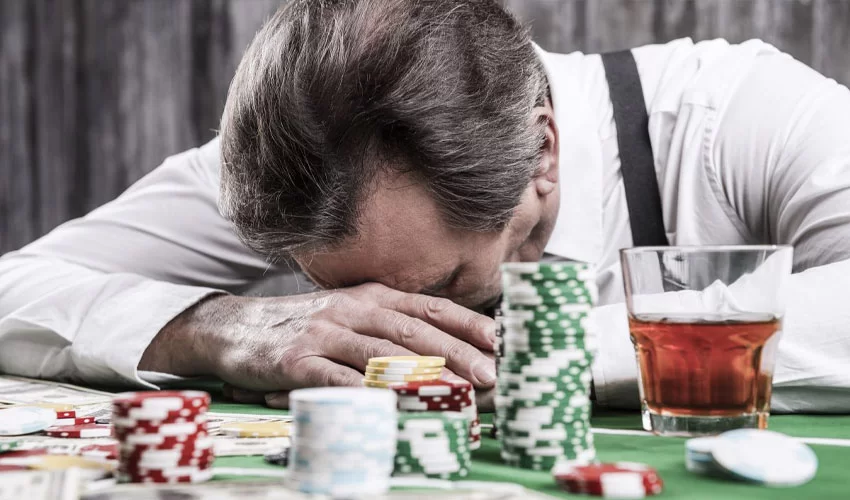
Casino environments are designed to create excitement and keep players engaged. When emotions rise during losing streaks, decision making can become impulsive.
Why the Math Does Not Care About Your Losses
One of the biggest misunderstandings in gambling is the belief that losses increase the chance of a future win.
In reality, casino games do not remember previous results.
A roulette wheel does not know how much money a player has lost. A slot machine does not track personal streaks. Cards in a shuffled deck have no memory of previous hands.
Every round starts fresh.
For example, in roulette the chance of hitting a single number remains 1 in 37 on a European wheel every time the ball spins. That probability does not change because someone has already lost several rounds.
Yet players often feel that a win must be “due.”
This belief is known as the gambler’s fallacy.
Example
Imagine flipping a coin.
If the coin lands on tails five times in a row, many people feel that heads must come next.
But mathematically the next flip still has the same probability.
The coin has no memory.
Casino games operate under the same principle.
When players chase losses by increasing their bets, they are simply exposing themselves to larger risks without improving their chances of winning.

Random patterns often move unpredictably. Short sequences can look unusual even though the overall probabilities remain balanced.
Real Player Experiences
Stories from real players show how quickly chasing losses can spiral.
One casino player shared their experience in a gambling forum discussion:
“I started with $200 and lost about $80 playing blackjack. I tried doubling my bets to win it back quickly. Within twenty minutes I had lost the entire $200.”
Another player described a similar situation:
“When I’m winning I play calmly. When I’m losing I suddenly feel like every hand needs to recover everything. That’s when the real damage happens.”
These experiences are very common.
Research into gambling behavior has shown that players who chase losses often increase their bet sizes by two to three times compared with their normal bets.
Larger bets mean that losses grow faster.
The Dangerous Cycle of Chasing Losses
Once chasing begins, a repeating cycle often appears.
- A player loses money.
- They increase their bets to recover the loss.
- If they lose again, frustration grows stronger.
- Larger bets are placed again.
Each step increases risk.
Even if a player wins one round, the emotional pressure usually remains. Instead of stopping, many players continue playing because they still want to recover earlier losses.
This is why chasing losses rarely ends with satisfaction.
It often ends with deeper losses.
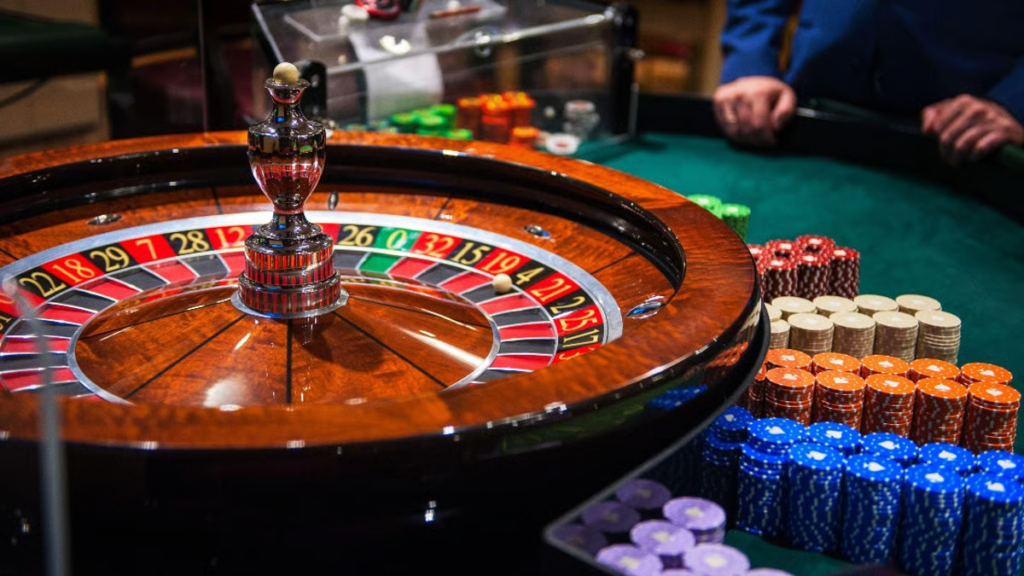
Table games like roulette can create fast betting cycles, which sometimes encourage players to place larger bets when trying to recover losses.
What Experts Say About Loss Chasing
Many gambling researchers have warned about the dangers of chasing losses.
Psychologist Mark Griffiths, who has studied gambling behavior for decades, once explained:
“Chasing losses is one of the strongest behavioral indicators of problematic gambling.”
Responsible gaming organizations also emphasize the same message.
They often recommend that players set strict limits before starting to gamble. Once that limit is reached, the safest decision is to stop playing.
Statistics That Show the Risk
Several studies highlight how common and risky loss chasing can be.
Some key findings include:
- Around 60 percent of regular gamblers report chasing losses occasionally.
- Approximately 30 percent admit doing it frequently during losing streaks.
- Players who chase losses are significantly more likely to exceed their planned gambling budgets.
These numbers show that chasing losses is not rare. It is one of the most widespread habits in gambling.
A Healthier Way to Think About Gambling
Experienced players often approach gambling with a different mindset.
They understand that losses are part of the game.
Before they begin playing, they choose an amount of money they are comfortable losing. They treat that money as entertainment spending, similar to buying tickets for a movie or concert.
If they win, it feels exciting.
If they lose, the experience itself was still part of the entertainment.
Some players also use simple rules to protect themselves.
Examples include:
- setting a spending limit before playing
- setting a time limit for the session
- taking breaks during long sessions
These small habits can prevent emotions from taking control.
A Simple Piece of Wisdom
Older generations often shared simple advice about gambling.
“Never gamble money you cannot afford to lose.”
That idea may sound obvious, but it contains real wisdom.
When players accept the possibility of losing before they begin, they are far less likely to chase losses later.
The Real Lesson Behind Loss Chasing
Chasing losses is not really about the game itself.
It is about how people react emotionally to losing.
The desire to recover quickly can push players toward risky decisions. But casino games do not change their probabilities based on personal outcomes.
The math continues quietly in the background.
The healthiest approach is often the simplest one.
Accept the loss. Take a breath. Step away from the game.
Sometimes the strongest move a player can make is knowing when it is time to stop.