

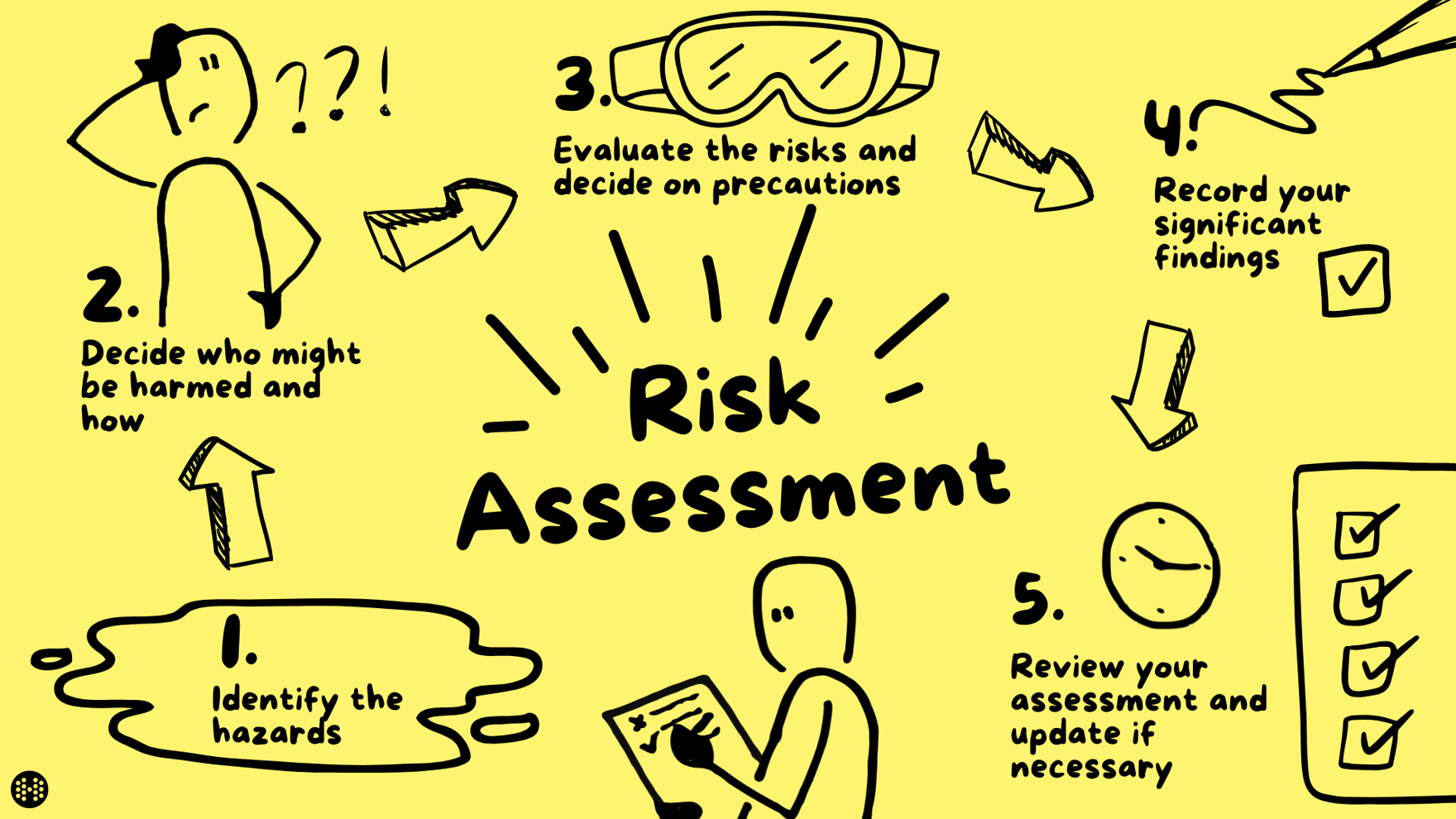
Looking Beyond the Final Result
A gaming session is often remembered by its outcome. A favorable result may make earlier decisions seem sensible, while an unfavorable one may cause every choice to appear mistaken. However, the final result does not always explain whether a decision was reasonable when it was made.
Reviewing past decisions helps players separate the quality of their choices from the uncertainty of individual outcomes. A decision made within a fixed budget and based on an accurate understanding of the rules can still lead to an unfavorable result. Likewise, a risky decision may occasionally produce a favorable outcome without becoming a reliable approach.
Understanding this difference is an important part of evaluating risk.
Identifying Repeated Patterns
A single session may reveal little about a person’s habits. Reviewing several sessions can provide a clearer picture of how decisions change under different circumstances.
For example, a player might notice that spending limits are usually respected at the beginning of a session but frequently exceeded after consecutive losses. Another person might discover that gaming sessions become longer when they start late in the evening.
These patterns can reveal situations in which personal boundaries become difficult to maintain. Once identified, they can be addressed through practical changes, such as shorter sessions, earlier stopping times, or stronger spending controls.
The purpose of keeping records is to understand behavior, not to search for a hidden formula that predicts future results.
Understanding the Difference Between Risk and Certainty
Risk refers to the possibility of different outcomes and their potential consequences. Reviewing past decisions can help someone understand whether the financial and emotional consequences of a choice were considered beforehand.
Suppose a player decides to spend money beyond the original budget because an earlier round ended unfavorably. The review may show that the decision was driven by a desire to recover losses rather than by a careful assessment of the consequences.
This observation does not mean the next result could have been predicted. It shows that the decision increased exposure to additional spending without removing the uncertainty of the game.
Recognizing this distinction can help prevent the mistaken belief that previous losses make a favorable outcome more likely in the next round.
Keeping a Useful Decision Record
A simple record can make reviews more objective. Players who choose to track their gaming activity can note the amount spent, time spent, limits established, and reasons for continuing or stopping.
It is also useful to record whether a decision followed the original plan. A brief explanation can reveal whether an action was deliberate or influenced by frustration, excitement, or distraction.
There is no need to collect excessive detail. A consistent record of a few relevant factors is often easier to maintain and review.
Turning Observations Into Practical Changes
A review becomes valuable when it leads to a realistic adjustment. If records repeatedly show that spending increases after losses, a person might establish a strict stopping rule and avoid adding funds during a session. If long sessions affect concentration, shorter time limits may be more appropriate.
These changes should focus on behavior that can be controlled. They cannot guarantee better gaming results, eliminate risk, or make random outcomes predictable.
Learning Without Chasing Patterns
Past decisions can provide useful information about habits, spending, and emotional responses. They cannot reliably reveal what an independent random outcome will be next.
The most useful lesson from reviewing gaming activity is therefore behavioral rather than predictive. By identifying repeated mistakes and strengthening personal boundaries, players can approach entertainment with greater awareness of the risks involved.
[…] Several habits can make financial boundaries easier to follow. Reviewing account balances before spending can prevent decisions based on inaccurate assumptions. Recording each transaction can show how quickly expenses accumulate. Avoiding borrowed money and credit for gaming can also reduce the risk of turning optional entertainment into long-term financial obligations. […]