

Introduction
Most people begin gambling with a simple goal. They want to enjoy a game, experience a little excitement, and perhaps win some money along the way. At the start, the experience often feels fun and easy to control. Wins and losses seem like a normal part of the game.
However, things can change when losses begin to pile up. A player who was once calm may start feeling frustrated. Instead of accepting the loss, they may believe that one good win will solve everything. This is where many gambling problems begin.
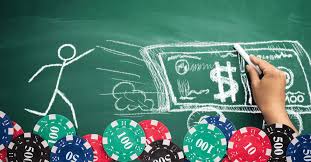
The decision to keep playing in order to recover lost money is known as chasing losses. It is one of the most common mistakes players make. What starts as an attempt to fix a small loss can quickly become a much larger problem.
Understanding why people chase losses and what happens when they do can help explain why this behavior is so risky.
Why Losing Feels So Difficult to Accept
People naturally dislike losing. In many situations, losing money feels more painful than winning the same amount feels rewarding. Because of this, a gambling loss can create strong emotions.
After several losing rounds, a player may begin thinking less about entertainment and more about recovery. Instead of focusing on the game itself, they focus on getting their money back. This change in thinking can affect decision-making.
The problem is that emotions often push people toward risky choices. A player who planned to stop after losing a certain amount may suddenly decide to continue. They may increase their bets or play longer than they originally intended.
At that point, gambling stops being about enjoyment and starts becoming an attempt to erase disappointment.
The Belief That a Win Is Coming
One reason people chase losses is because they believe a win must be close. After several losing outcomes, it can feel like luck is about to change. Many players think a winning result is somehow overdue.
In reality, most gambling games do not work that way. Each spin, card hand, or roll is usually independent of previous results. Past losses do not increase the chance of future wins.
For example, if a fair coin lands on heads five times in a row, the next flip still has the same chance of landing on tails or heads. The coin has no memory of previous results.
Casino games follow similar principles. A losing streak may feel unusual, but it does not mean a winning streak is guaranteed to follow.
What Happens When Bets Start Growing
Many players respond to losses by increasing the size of their bets. The idea seems simple. If a larger bet wins, it may recover previous losses more quickly.
At first, this strategy may appear reasonable. A player loses a small amount and decides to bet more in the next round. If that bet loses too, they increase the amount again.
The problem is that losses can continue longer than expected. When that happens, bet sizes grow rapidly. What started as a small loss can become a large financial problem within a short period of time.
As the money involved increases, emotional pressure often grows as well. Players may feel stressed, anxious, or desperate to recover what they have lost. These emotions make clear thinking even more difficult.
The Impact Beyond Money
The effects of chasing losses are not limited to financial losses. The behavior can also affect a person’s mood and overall well-being.
Many people experience frustration, anger, or regret after spending more money than planned. Some players feel disappointed with themselves for breaking limits they originally set.
Relationships can also be affected. Friends and family may become concerned when gambling begins taking up more time, attention, or money than intended.
Even when the financial losses are not huge, the emotional impact can still be significant. Constant stress and worry can reduce the enjoyment that gambling was supposed to provide in the first place.
Why Taking a Break Matters
One of the simplest ways to avoid chasing losses is to step away after reaching a planned limit. Taking a break gives emotions time to settle and helps prevent rushed decisions.
Many experienced players set a spending limit before they begin. Once that amount is reached, they stop playing regardless of what happened during the session.
This approach may feel disappointing in the moment, but it helps protect against larger losses later. It also keeps gambling within the boundaries originally planned.
A clear limit creates structure. Instead of reacting emotionally to losses, the player follows a decision that was made while calm and rational.
Building Healthier Gambling Habits
Healthy gambling habits begin with realistic expectations. No game can guarantee a win, and losing sessions are a normal part of gambling.
Players who view gambling as entertainment rather than a way to recover money often make better decisions. They understand that wins are possible, but they do not depend on them.
Setting time limits, spending limits, and break points can help keep gambling under control. These simple habits create a safer and more balanced experience.
Most importantly, players should recognize that losses are not problems that must be fixed immediately. Accepting a loss is often less costly than trying to chase it away.
Conclusion
Chasing a losing streak may seem like a logical response to lost money, but it often leads to bigger problems. Strong emotions, growing bets, and unrealistic expectations can push players into decisions they never planned to make.
Gambling games are built around chance, and there is no guarantee that a future win will recover previous losses. Understanding this reality helps players make calmer and more informed choices.
The most successful approach is not trying to win back every loss. It is knowing when to stop, sticking to personal limits, and treating gambling as entertainment rather than a solution to financial setbacks.